How to Help Picky Eaters Enjoy Vegetables (No Pressure, No Battles)
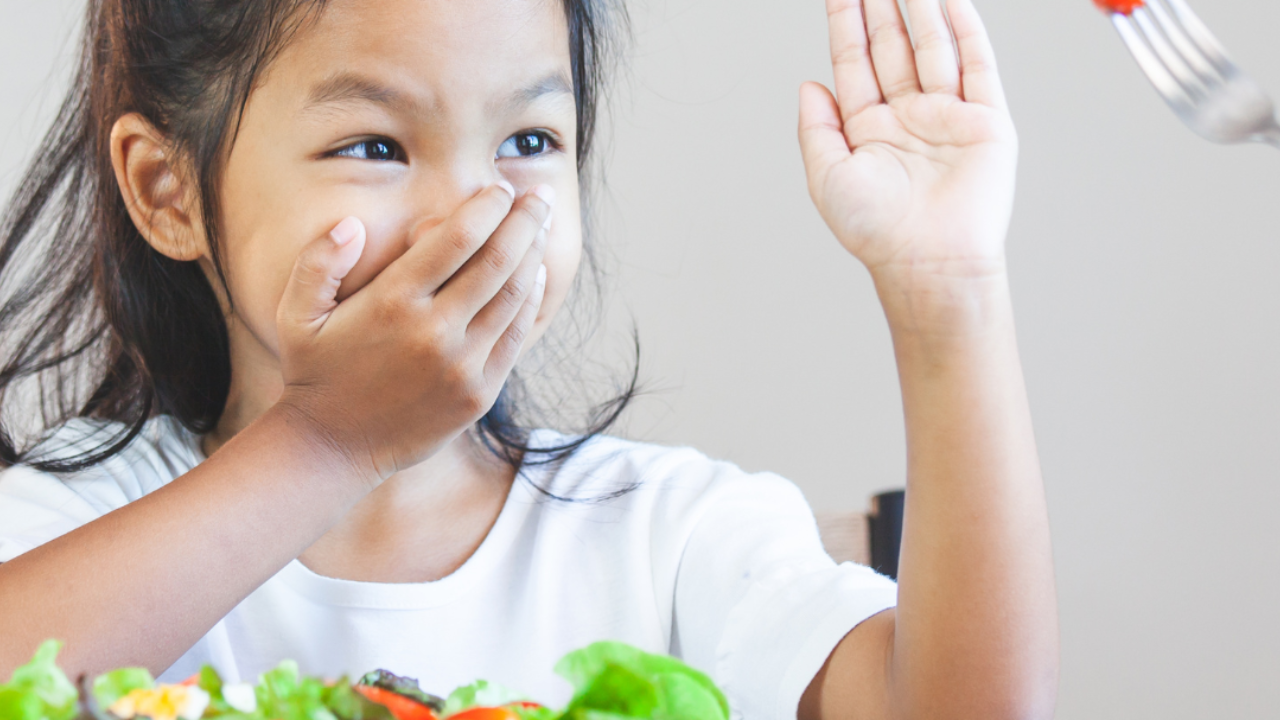
Helping Kids Enjoy Vegetables Doesn’t Have to Feel Like a Struggle
For many households, vegetables are where mealtime tension shows up the most. Constant reminders, negotiating “just one bite,” or eventually giving in. It can wear everyone down.
The reassuring part is that picky eating isn’t fixed. It’s often influenced by routine, exposure, and how food is presented. With a few thoughtful shifts, kids can become more open to trying, and even liking, vegetables.
Rather than zeroing in on how much they eat, it’s more helpful to shape an environment where vegetables feel familiar and low-pressure.
A great place to start is outside of traditional meals. Children tend to be more open to new foods when they’re hungry and relaxed. Setting out sliced veggies with a simple dip before dinner, or offering them while you’re preparing food, can lead to more interest without any prompting.
How vegetables are prepared can also make a big difference. Many kids shy away from softer textures, but enjoy foods with a bit of crunch. Roasting vegetables until golden or turning them into oven-baked “fries” can make them much more appealing.
If your child is especially hesitant, blending vegetables into foods they already enjoy can be a helpful step. Smoothies are an easy option, ingredients like spinach, zucchini, or avocado blend smoothly and don’t overpower the flavour. Gradually increasing the amount over time helps build acceptance.
Vegetables can also be worked into everyday recipes in subtle ways. Adding them to sauces, baking them into muffins, or incorporating them into snacks can boost nutrition without making it a big focus. These small additions can go a long way.
That said, vegetables don’t always need to be hidden. Making meals colourful and visually interesting can naturally draw kids in. Offering a mix of foods they recognize alongside something new creates a sense of comfort while still encouraging exploration.
Encouraging curiosity can also shift the experience. Instead of focusing on whether they like something, try asking what they notice about it – how it smells, feels, or looks. This keeps the experience positive and removes pressure.
Getting kids involved is another powerful approach. Whether it’s choosing produce at the grocery store, helping wash vegetables, or stirring ingredients, participation builds connection. When kids feel included, they’re often more willing to try what’s served.
It’s also helpful to remember that acceptance takes time. A child may need to see or interact with a food many times before they’re comfortable tasting it. Continuing to offer vegetables in different forms (raw, roasted, blended, or mixed into dishes) can make a big difference over time.
Equally important is keeping mealtime pressure low. Caregivers decide what foods are offered, but kids decide what they eat from what’s available. Removing the focus from what they refuse often reduces tension and creates a more relaxed atmosphere.
Your own habits matter more than you might think. When kids regularly see you eating and enjoying vegetables, it reinforces that these foods are a normal part of everyday life. That modelling can be more influential than anything you say.
Progress in this area is usually gradual, and that’s completely normal. Small, steady changes tend to stick far better than trying to overhaul everything at once.
Start with one simple shift that feels doable and build from there.
If you’re looking for more in-depth support, The Picky Eating Guide offers a deeper look at the underlying causes of picky eating. You can also tune into the Wild and Well podcast for conversations with experts on picky eating, thriving in motherhood, holistic health and moving through parenting struggles a little more easily.
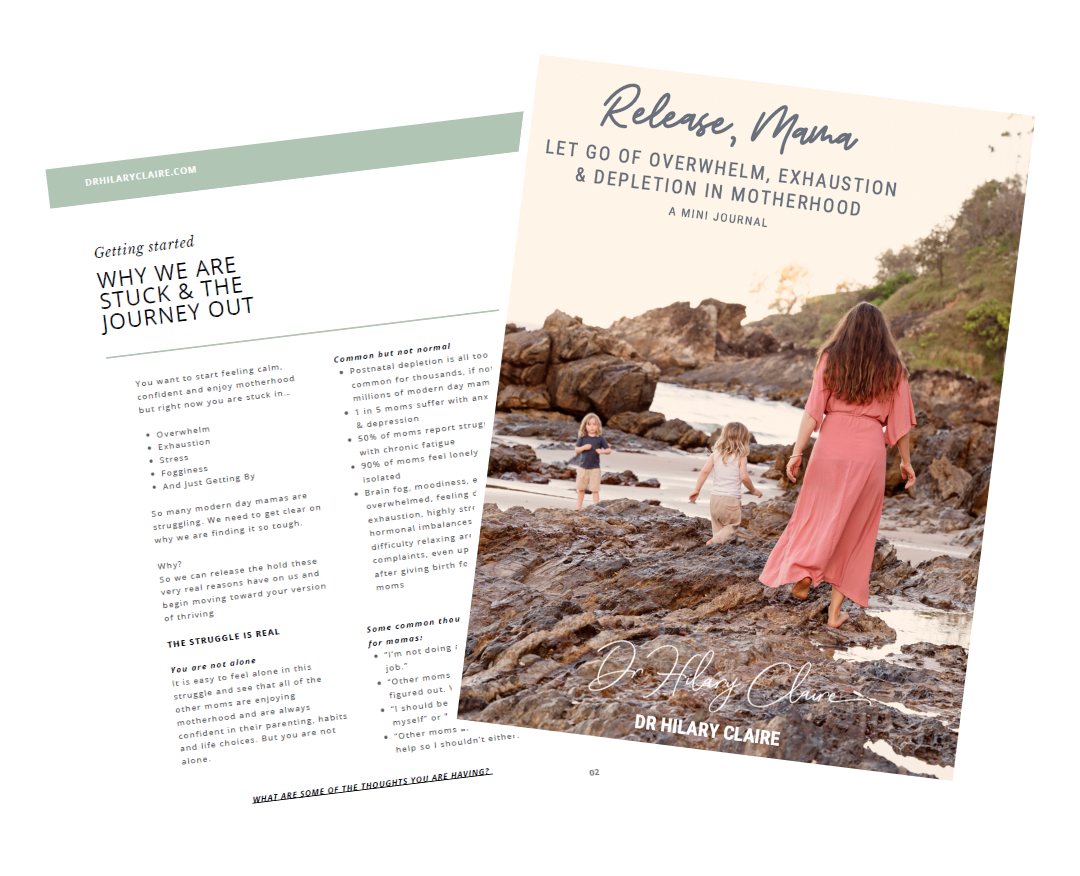
Release, Mama Mini-Journal
In this mini journal, you will identify your unique reasons for struggling with exhaustion, overwhelm, guilt or burnout. Then you will be guided in letting these go and taking effective action to create a future that makes it easier for you to thrive.
Start living motherhood on your own terms.

50% Complete
Keep Up-To-Date
For a regular dose of useful resources and articles from Dr Hilary Claire delivered straight to your inbox pop your details below.