Why Your Child Is a Picky Eater (And What Actually Helps)

Why Your Child Is a Picky Eater (And What Actually Helps)
Have you ever found yourself holding your breath at the dinner table, watching to see what your child will eat, or refuse to eat?
You might catch yourself counting bites, negotiating over vegetables, or wondering if you’re doing something wrong.
For many families, mealtimes quietly become one of the most stressful parts of the day. When a child becomes a picky eater or starts showing signs of picky eating, it can bring up worry, frustration, and a lot of second-guessing. But picky eating is rarely just about the food.
When we zoom out, we start to see that eating is connected to many different factors. Understanding this bigger picture can help shift the dynamic at the table.
I recently discussed this topic in more depth on the podcast, where I share the psychological factors that often influence picky eating and what parents can do to reduce stress at mealtimes. You can listen to the full episode here: Why Your Child Is a Picky Eater (And What to Do About It).
Why Is My Child a Picky Eater?
Many parents worry when their child refuses foods or eats only a small variety. Picky eating in children is common, but it is rarely just about the food itself.
Selective eating can be influenced by several factors, including:
- Emotional safety at mealtimes
- Nervous system regulation
- Sensory sensitivities
- Parental modelling around food
- Digestive or nutritional challenges
Understanding what may be contributing to your child’s picky eating can help shift the dynamic at the table and reduce stress for both you and your child.
Why Calling Your Child a Picky Eater Can Make Picky Eating Worse
One of the first things to consider is the language we use around children and food.
Labelling a child as a “picky eater” may seem harmless, but it can actually reinforce the behaviour. When children hear that label often enough, it can become part of how they see themselves.
Children build their identity from what the adults around them say about them.
Over time, the label can turn into a story the child believes about themselves. I’m picky. I don’t like food. I don’t eat that. Because of this, many prefer to avoid using the label around children altogether.
How Mealtime Stress Can Make Picky Eating Worse
Another major factor in selective eating is the emotional atmosphere around food.
If parents are feeling anxious, frustrated, or highly focused on what their child is eating, children often pick up on that stress.
A child who does not feel calm or safe at the table may actually lose their appetite. Stress can shut down the body’s ability to digest food and feel hungry.
Often this dynamic develops gradually. As parents become more worried about what their child is eating, more attention is placed on the food itself:
- How many bites were eaten
- What foods were refused
- Whether enough nutrition was consumed
While these concerns come from a place of care, the pressure can unintentionally make eating more difficult for a child.
Children’s nervous systems also develop through their relationship with their parents. If a parent shows up at the table feeling stressed, children can absorb that emotional energy.
Creating a calm and connected mealtime environment can make a significant difference.
If you want practical steps for reducing mealtime stress and supporting your child’s eating habits, this resource offers help for picky eaters and outlines actionable strategies you can begin at home.
Understanding Parent and Child Roles When Feeding a Picky Eater
Another area where families can get stuck is confusion about roles at the table. A helpful framework many professionals use is this:
Parents are responsible for providing the food.
Children are responsible for deciding how much they eat.
Parents decide what foods are offered, when meals and snacks happen, and where food is eaten. Children decide whether they will eat and how much.
When parents begin trying to control how much a child eats, the power struggle can intensify.
Pressure, punishment, rewards, or bargaining may seem helpful in the moment, but these strategies often backfire over time.
These approaches can make food feel emotionally charged instead of neutral. Even positive comments like “Good job, you ate everything!” can shift the focus away from the child listening to their own hunger and fullness cues. Sometimes, the less commentary at the table, the better.
Why Parental Modelling Matters for Picky Eating
Children learn far more from what we do than from what we say. Our relationship with food becomes a powerful model for them.
They notice:
- How we talk about food
- What we choose to eat
- Whether we enjoy meals
- How we react to different foods
Even when adults don’t explicitly talk about their feelings about food, children often pick up on subtle behaviours. Modelling a relaxed and positive relationship with food can have a strong influence over time. This doesn’t mean parents need to be perfect. But becoming aware of our own patterns around food can be an important step.
When Picky Eating in Children Might Signal Something Deeper
While many children go through phases of selective eating, sometimes there are additional factors involved.
Picky eating can occasionally be connected to other challenges, including:
- Sensory processing differences
- Oral-motor challenges, such as chewing or swallowing difficulties
- Tongue ties or airway concerns
- Digestive issues or gut health challenges
- Nutritional deficiencies
- Avoidant/Restrictive Food Intake Disorder (ARFID)
Children who regularly choke, gag, or struggle to chew certain foods may be dealing with mechanical difficulties rather than simply refusing food.
There may also be broader signs to pay attention to, such as:
- Extreme limitations around textures, colours, or types of food
- Frequent illness or digestive complaints
- Sensory sensitivities in other areas of life
- Concerns about growth or development
If a child’s eating becomes increasingly restrictive, or if something feels concerning, seeking professional support can be helpful. Parents’ intuition can be an important guide here.
In my picky eating guide, I walk through common underlying factors that can contribute to picky eating and how parents can begin exploring them.
How to Shift the Dynamic When You Have a Picky Eater
If mealtimes have become stressful, the first step is often stepping back from the food itself.
Instead, focus on strengthening the relationship with your child.
Ask yourself:
- How do I want to show up as a parent during meals?
- What values do I want to bring to this moment?
Even when a child refuses food, parents can still choose how they show up at the table.
Connection and emotional safety create a foundation that makes every other strategy easier.
It can also help to make sure that your relationship with your child isn’t centred entirely around food challenges. Spending time together doing enjoyable activities strengthens that bond.
Helping a Picky Eater Build Positive Experiences With Food
Another helpful shift is expanding the experience of food beyond simply eating.
Children often become more curious about food when they are involved in it.
Some ways to do this include:
- Cooking together
- Visiting farmers’ markets
- Picking fruit in season
- Gardening at home
When children interact with food in playful and hands-on ways, it becomes less intimidating and more interesting. Even small moments of curiosity can help build familiarity over time.
You Don’t Have to Stay Stuck With Picky Eating
Picky eating is very common in childhood, but that doesn’t mean families have to simply accept the stress that often comes with it. There are many different factors that can influence selective eating. The good news is that when these factors are understood and addressed, change is possible. With the right support, families can shift the dynamic around food, reduce stress at the table, and help children build a healthier relationship with eating.
Looking for Practical Support for Picky Eating?
If you’re feeling overwhelmed by your child’s picky eating habits and want clear guidance on what to do next, my Picky Eating Guide walks through the key factors that influence selective eating and practical ways to support your child.
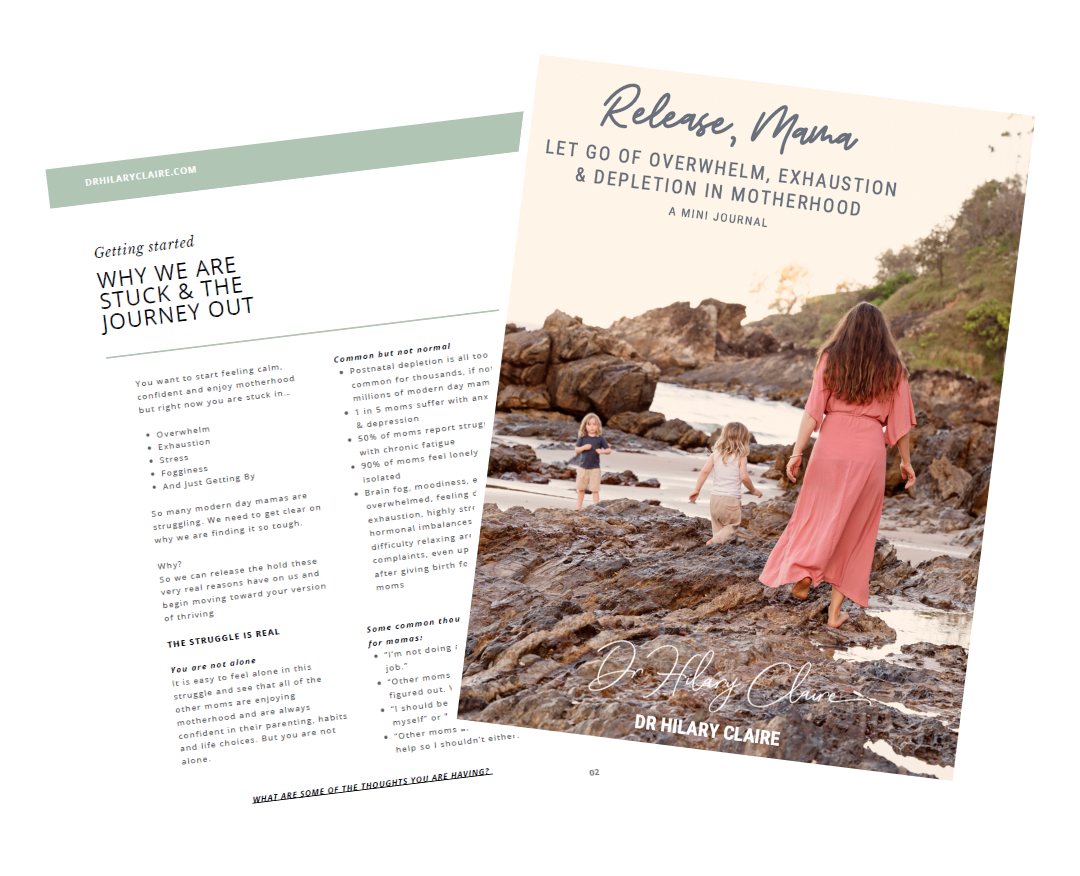
Release, Mama Mini-Journal
In this mini journal, you will identify your unique reasons for struggling with exhaustion, overwhelm, guilt or burnout. Then you will be guided in letting these go and taking effective action to create a future that makes it easier for you to thrive.
Start living motherhood on your own terms.

50% Complete
Keep Up-To-Date
For a regular dose of useful resources and articles from Dr Hilary Claire delivered straight to your inbox pop your details below.